Natural Trinity Wellness Blog
Elevate your wellness journey with practical insights and expert guidance.
Simple wellness strategies and expert insights to help you feel your best — from the inside out.
- Feb 23, 2026
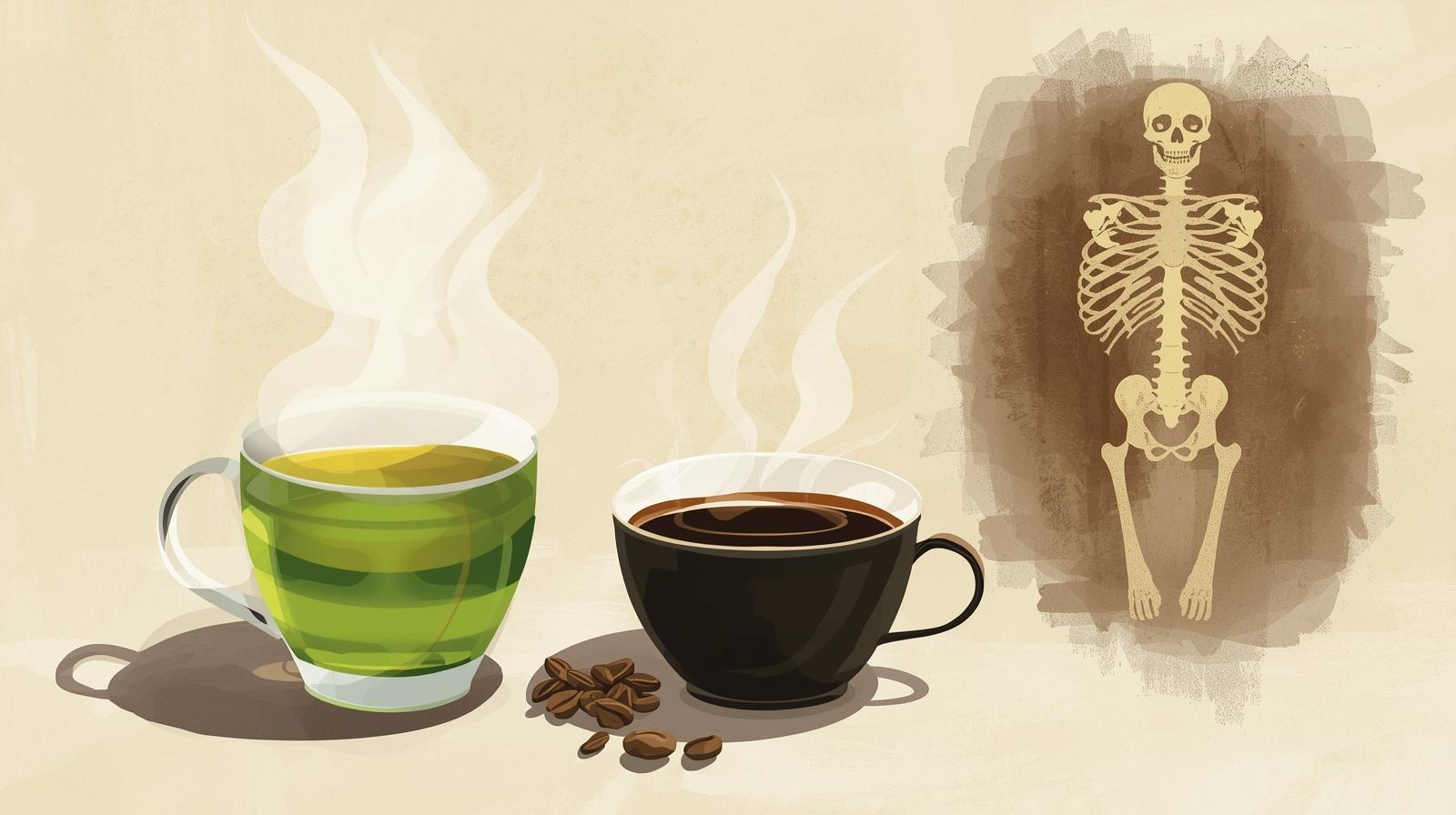
Tea May Support Bone Strength in Older Women—But Heavy Coffee Intake May Do the Opposite
New research shows tea may support bone density in older women, while heavy coffee intake could weaken bones. Learn how to protect your bone health.
Tea May Support Bone Strength in Older Women—But Heavy Coffee Intake May Do the Opposite
As we get older, bone health quietly becomes one of the most important pillars of long-term wellness. Strong bones protect mobility, independence, and quality of life—yet osteoporosis and fractures remain common, especially among postmenopausal women.
Recent research highlighted by ScienceDaily adds an interesting layer to the conversation: the beverages you sip every day—particularly tea and coffee—may influence bone strength more than you think.
Let’s break down what the science suggests, what actually matters in real life, and how to make bone-supportive choices without giving up everything you love.
What the Research Found
The study observed beverage patterns in older women and identified two notable trends:
Regular tea consumption was associated with stronger bones
Heavy coffee consumption was linked to reduced bone strength
This matters because women experience accelerated bone loss after menopause due to declining estrogen levels, making everyday dietary habits more impactful than they may seem.
Why Tea May Be Protective for Bones
Tea—especially green and black varieties—contains naturally occurring compounds called polyphenols. These plant antioxidants help reduce oxidative stress and inflammation, both of which contribute to bone breakdown.
From a physiological perspective, polyphenols may:
Support osteoblast activity (cells that build bone)
Help reduce bone resorption (bone breakdown)
Improve bone mineral density over time
Green vs. Black Tea
Green tea is rich in catechins, which have been studied for their role in stimulating bone-forming cells
Black tea also contains beneficial polyphenols, though research is still evolving on its specific effects
This doesn’t mean tea is a treatment for osteoporosis—but it may act as a supportive lifestyle habit when paired with proper nutrition, movement, and micronutrient intake.
Coffee and Bone Health: It’s About the Dose
Coffee isn’t the villain—but excessive caffeine can become a problem, especially when calcium intake is low.
Caffeine has a mild diuretic effect, which can increase urinary calcium excretion. Over time, high intake without adequate mineral support may contribute to weaker bones.
What the Evidence Suggests
1–3 cups per day: Generally safe for most adults
4+ cups daily, consistently: May increase bone loss risk in older women
For coffee drinkers, the takeaway isn’t elimination—it’s balance.
Practical Ways to Support Bone Health (Without Perfection)
If bone health is a concern for you—or if you’re thinking preventively—these strategies matter far more than any single beverage:
Add tea, don’t obsess
Swapping one daily coffee for green or black tea is a realistic, sustainable shift.Pair caffeine with minerals
Coffee drinkers should be especially mindful of calcium and magnesium intake.Eat for bone density
Include calcium-rich foods like leafy greens, sardines, yogurt, sesame seeds, and fortified options.Support vitamin D status
Vitamin D is essential for calcium absorption—testing matters more than guessing.Move your body with intention
Weight-bearing and resistance exercises signal your bones to stay strong.
Why This Matters Clinically
From an integrative nutrition lens, bone health isn’t about one nutrient or habit—it’s about patterns.
Bone loss is influenced by:
Hormonal shifts
Inflammation
Mineral status
Gut absorption
Lifestyle consistency
That’s why personalized nutrition, lab-informed supplementation, and sustainable habits make a real difference—especially for women navigating midlife and beyond.
Ready to Take the Next Step?
If you’re concerned about bone health, hormonal shifts, or long-term vitality, you don’t have to navigate it alone.
👉 Book your 1:1 nutrition session with $0 out-of-pocket using insurance
👉 Explore our self-paced courses and digital products designed for metabolic, hormonal, and bone health
👉 Shop practitioner-grade bone-support supplements through our trusted Fullscript dispensary
Everything is available at naturaltrinity.com—so you can take action in a way that fits your life.